Restaurants
Liquid Gold, Greedy Angels and the Rum Putting India in a Bottle

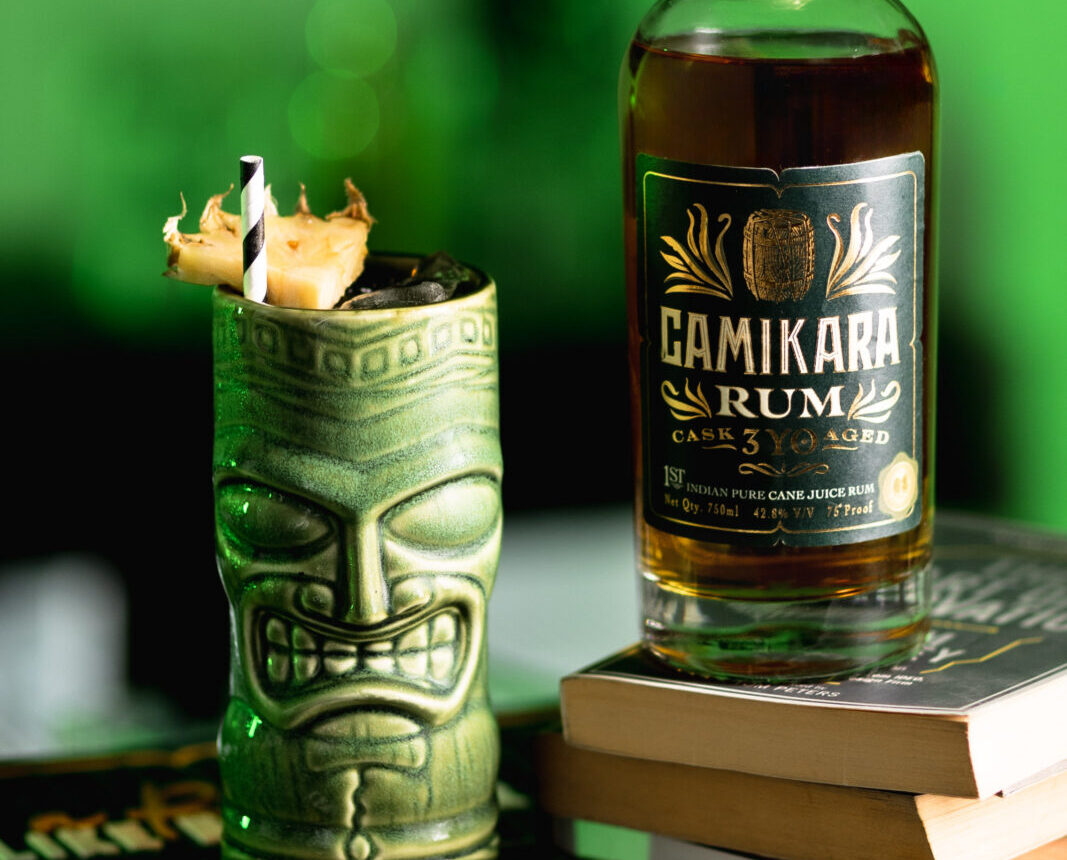
Camikara Is Turning Fresh Indian Sugarcane, Brutal Northern Heat and a Nearly Empty Barrel Into a Pure Cane Juice Rum Determined to Give India Its Own Place in the Global Rum Conversation.
Imagine putting a barrel of rum away for 12 years, patiently waiting while the spirit matures, develops and takes on the character of the wood.
Then you finally crack it open.
Ninety-four percent of it is gone.
Welcome to making rum in northern India, where apparently even the angels drink heavily.
That extraordinary loss to evaporation is also where the story of Camikara, meaning “Liquid Gold” in Sanskrit, really begins.
“When we decided to launch our product, the first expression was the oldest rum we matured at our distillery,” explained Madhu Kanna, Director of International Sales. “Our pure cane juice rum was matured for 12 long years in the extreme climate of northern India, where summer goes up to 122 degrees F and winter goes down to 32 degrees F.”
By the end of those 12 years, Kanna said just six percent of the original liquid remained.
“Every drop of this pure cane juice rum with no additives was equivalent to GOLD,” he said. “Hence, ‘Liquid Gold’ and thus the name Camikara.”
Suddenly, the name doesn’t sound like something dreamed up during a marketing meeting. When 94 percent of your barrel has vanished into the atmosphere, you may be tempted to put the remaining six percent in a vault.
Rum With an Indian Passport
Camikara’s story starts with something India has had in abundance for a very long time: sugarcane.
Kanna points to India’s enormous sugarcane industry and a much older history of local rum production, including traditions he says predate British rule. Yet modern Indian rum largely moved in another direction.
“Post independence, no distillery in India made a pure cane juice rum,” Kanna said. “The art, science, patience, and cost that goes into making a pure cane juice rum with no additives is not easy.”
Instead of beginning with molasses, Camikara is distilled from fresh, locally grown sugarcane juice. There is no added sugar or coloring.
For producer Piccadily Agro Industries, the goal was not simply to release another bottle carrying the word “rum.”
“At Piccadily, we wanted to revive the age-old tradition and restore the ancient and true spirit of Indian ‘Rum’ to its original form,” Kanna said. “Hence, we decided to do Camikara, which is 100% pure cane juice with no additives.”
That naturally invites comparisons to rhum agricole, the cane juice rum tradition most famously associated with the French Caribbean.
But India is not Martinique with a different label slapped on the bottle.
Camikara uses an indigenous variety of locally grown sugarcane, and then there is that northern Indian climate. Those wildly different conditions change how the liquid interacts with its barrel and how quickly it matures.
“We think your question has the answers,” Kanna said when asked what makes the spirit unmistakably Indian. “It is an indigenous variety of sugarcane that is locally grown that we use, plus our climate and terroir are very different.”
In other words, the passport matters.
The Angels Have Expensive Taste
Even the younger Camikara expressions can lose roughly 10 to 12 percent of their volume annually during maturation, according to the producer.
That is the famous “angel’s share,” the romantic spirits-industry term for evaporation from a barrel.
Romantic, perhaps, until it is your rum disappearing.
So, naturally, we asked Kanna whether Camikara lovingly accepts the angel’s share or occasionally considers sending the angels an invoice.
“We would love to call our angels greedy, but they are also generous,” he said. “While they take away all the liquid, they give us back rich flavors and characteristics in a short time, which in any other part of the world would take a much longer time.”
Fair enough.
Greedy angels. Good rum. We’ll call it even.
Three Years Young
The Camikara 3-Year-Old, bottled at 42.8% ABV and carrying a suggested retail price of about $30, spends its maturation in American oak.
This is the expression that stays closer to its agricultural beginnings.
“The 3-Year-Old still retains the earthy, fresh cane juice notes,” Kanna explained. “The impact of the barrel in the liquid is less.”
Expect fresh sugarcane, vegetal character, melon, honey and vanilla on the nose, followed by subtle oak, char and delicate smoke.
But the three-year-old is not merely the kid at the grown-ups’ table.
At the 2025 Rum & Cachaça Masters in London, it earned a Gold medal in the Gold Rum, Aged up to 7 Years category, putting Camikara alongside international producers in a blind-tasting competition.
For a company trying to convince drinkers that premium Indian rum deserves international attention, that carried some weight.
“Earning a Gold at Rum & Cachaca Masters means you are competing against some of the best in the world and competing with regions who have mastered the art of rum making more than us,” Kanna said. “For us it is simply humbling and gives us a pat on the back that we are doing something right.”
Then came the part that sounded less like celebration and more like a challenge:
“Now the world needs to discover us.”
Eight Years Older, Bolder and Woodier
If the three-year-old still has dirt on its boots, the Camikara 8-Year-Old has had some time to dress up.
Also bottled at 42.8% ABV, with an SRP around $40 to $45, the eight-year expression is distilled in copper stills and matured in American oak.
Kanna skipped the usual parade of tasting adjectives when asked to imagine the two expressions as personalities walking into a party.
“The 8-Year-Old is like a bold personality that has matured over time, taking more characteristics from the wood and more nuance to produce,” he said.
Honey, ginger, caramel, prune and leather lead into vegetal character, banana, marshmallow, ginger and sweet spice before wood and caramel settle into the finish.
And that older sibling has been collecting hardware of its own.
At the 2026 Rum & Cachaça Masters, the Camikara 8-Year-Old earned a Master medal in the Agricole Aged Rhum category, while the three-year-old collected another Gold. Judges cited the eight-year’s bright estery qualities, creamy character and tropical fruit.
The eight-year also earned a Master medal at the 2026 Asian Spirits Masters, where judges praised its richness, complexity and balance. The three-year took Gold there as well.
Not bad for a country Kanna says nobody expected to enter the premium pure cane juice rum conversation in the first place.
“I don’t think anyone expected a pure cane juice rum to come out of India, especially with no additives,” he said.
The company’s earlier 12-year expression helped announce Camikara internationally when it scored 95 points at the IWSC, according to Kanna.
“I think we took the world by surprise,” he said. “People are happy that finally a pure cane juice rum has come from a sugarcane growing country like India. It was long overdue.”
Before You Reach for the Coke…
Rum has spent plenty of years fighting an image problem.
For some drinkers, it remains something sweet that gets buried under fruit juice, cola or enough crushed ice to build a small snowman.
Camikara would rather introduce itself before the mixer does.
“Rum has more deep-rooted history than any other spirit in the world,” Kanna said, pointing toward its historical roles in trade and barter. “I think Camikara is all about bringing back the roots, heritage, and respecting your local crop.”
So how would he serve it if we were sitting together in India after a long day?
No elaborate ritual. No umbrella. No blender roaring in the background.
“We would want you to drink Camikara without adding water or ice,” Kanna said. “It is pure clean sipping rum, which has great character and body.”
More importantly, he would want the first impression to trigger something beyond an analytical checklist of vanilla, oak, caramel and spice.
“You would notice the smell of fresh sugarcane juice in Camikara,” he said. “It would instantly take you back to your childhood or your memories of your first sugarcane juice you ever had.”
Then Kanna offered perhaps the best description of Camikara in the entire conversation.
“You would notice India in a bottle.”
But We’re Still Making a Cocktail
We respect the neat pour.
We really do.
But eventually somebody is going to find the pineapple juice.
For that moment, Camikara suggests the Sandhya, a tiki-style cocktail inspired by the transition from day into evening.
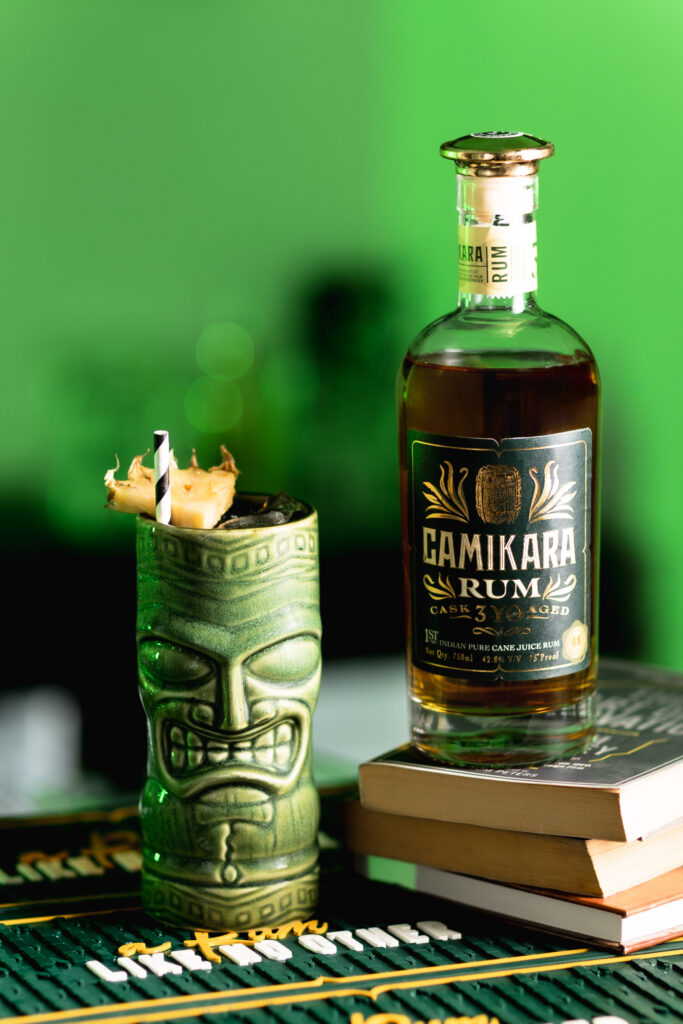
Combine 45 ml Camikara, 30 ml falernum, 20 ml lime juice, 45 ml pineapple juice and two dashes of Angostura bitters in a shaker with ice. Shake until chilled, strain into a tiki glass and garnish with a pineapple slice.
The pineapple brings the tropics, lime supplies the bite, falernum contributes spice and sweetness, and Camikara provides the cane and oak underneath it all.
The angels already took their cut.
You might as well enjoy yours.
More Than Another Medal
There is an obvious scoreboard for a spirits company trying to expand internationally: awards, distribution, sales and bottles appearing behind bars thousands of miles from home.
Kanna wants all of those things.
But when asked what success for Camikara would look like five or ten years from now, the answer eventually returned to India.
“What is more important is people awakening to the fact that India makes such high-quality spirits and how they shine amongst the best in the world,” he said. “For us, we feel proud that we are creating products that make our country proud.”
That may be the bigger story developing inside these barrels.
Camikara isn’t asking consumers to forget the great rum traditions of the Caribbean or anywhere else. It is making room at the table for another one, built from Indian cane, Indian climate and an Indian sense of place.
There is something wonderfully stubborn about taking a crop that has grown across the country for generations, patiently watching a ridiculous amount of it evaporate into the heavens and then bottling what survives.
Call it terroir.
Call it patience.
Call those angels greedy.
Camikara calls it Liquid Gold.






Huey Magoo’s brings made-to-order chicken, crave-worthy sauces and a surprisingly strong grilled game to West Boca.

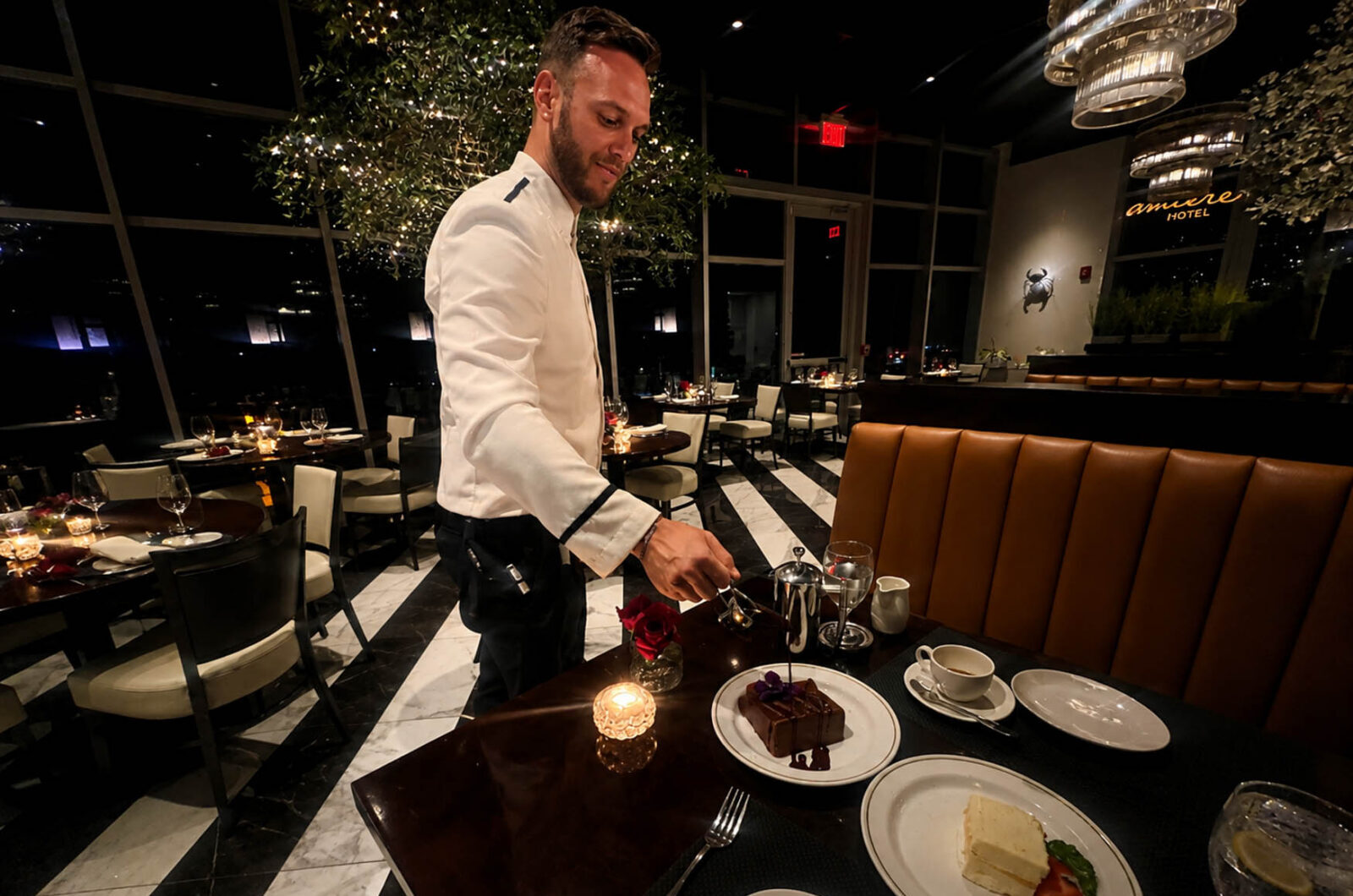
Truluck’s Strengthens its South Florida Seafood Dynasty with its Three-Crab Flight, Wildly Popular Halibut, Expert Pairings, Tableside Desserts and Atlantic Glamour. (more…)
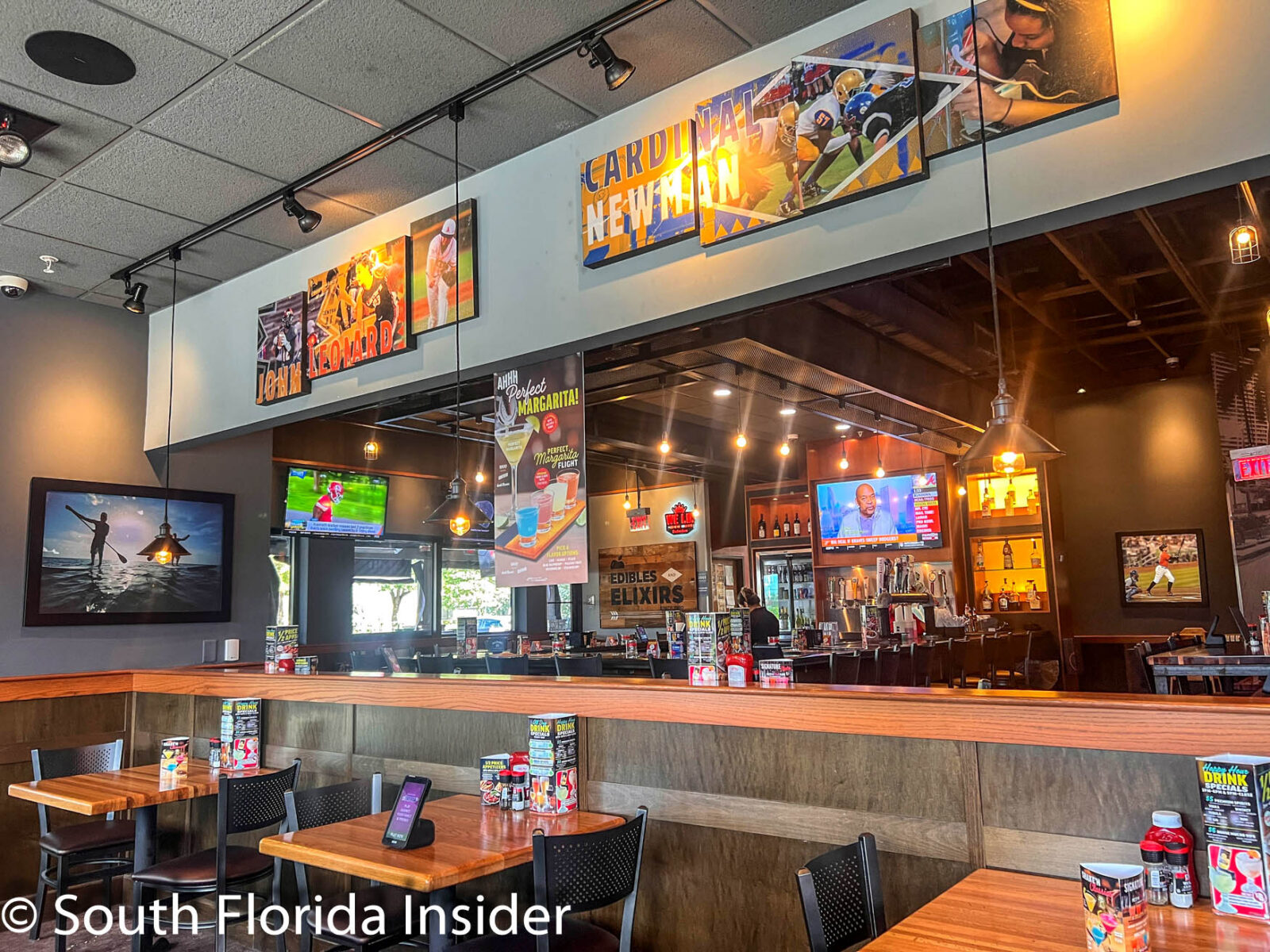
Applebee’s Piles on Molten Cheese, Crispy Cheeseburger Tacos and Candy-Colored Cocktails While Keeping Value and Community at the Heart of the Neighborhood.
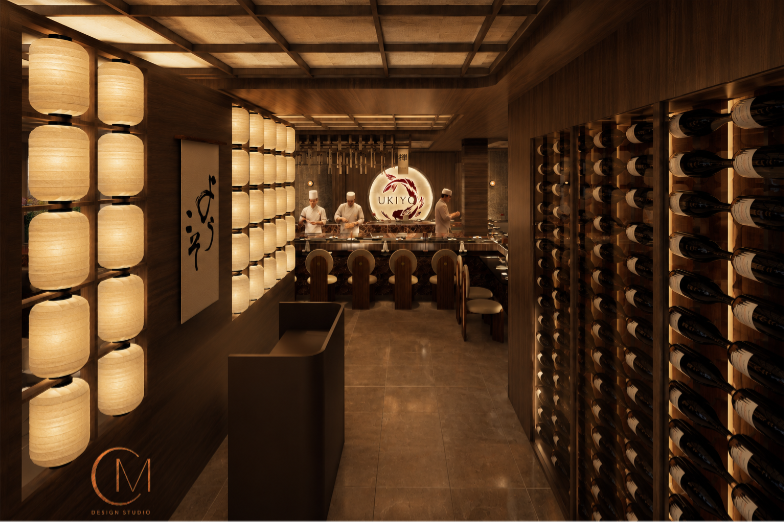
UKIYO Miami Beach Is About to Make Conveyor Belt Sushi Seriously Sexy
September 2, 2026
There are new restaurant openings we want to check out, and then there are the ones that immediately make us think: I NEED TO GO.
UKIYO is definitely the latter.
Opening this October at 818 Lincoln Road in Miami Beach, the newest concept from NOAH Hospitality Group takes Japan’s iconic kaiten, or conveyor belt sushi, tradition and gives it a Miami makeover.
We’re talking premium seafood from Japan traveling through the dining room on a custom-designed conveyor belt, live culinary performances, tableside cooking, a roaming dumpling cart and a gorgeous 7,431-square-foot space designed to keep the experience moving all night.
And judging by the first renderings and menu details, UKIYO already has our attention.
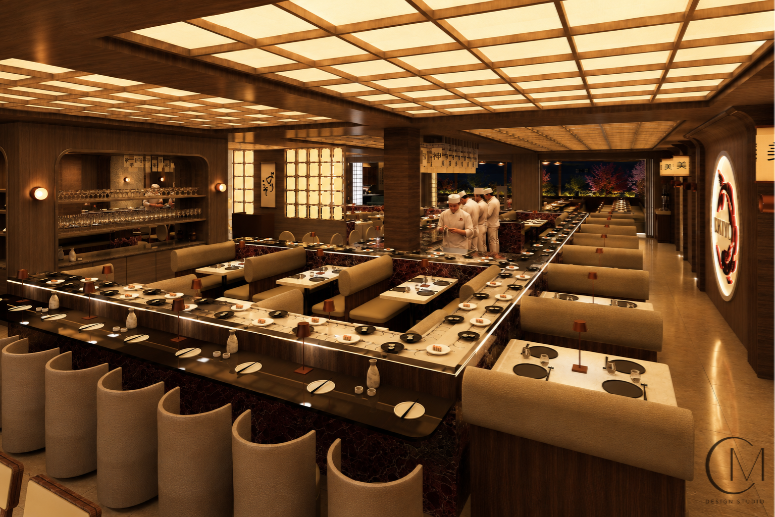
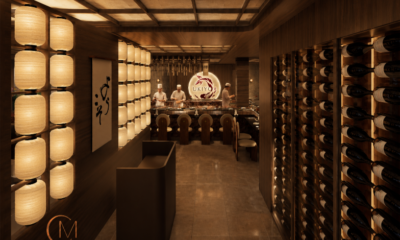
UKIYO’s custom kaiten conveyor belt will serve as the centerpiece of the new Miami Beach restaurant. Courtesy of Casa Medina Design Studio/UKIYO.
Not Your Average Conveyor Belt Sushi
Inspired by the Japanese concept of ukiyo, meaning “the floating world,” the restaurant is designed around movement.
The conveyor belt isn’t simply there to deliver sushi. It’s essentially the stage.
Handcrafted nigiri, sashimi and specialty rolls will continuously circulate through the dining room, while chefs work in view of guests and new creations make their way from the sushi counter onto the belt through choreographed presentations.
Live culinary performances will add another layer of entertainment throughout dinner.
NOAH Hospitality Group founder Philippe Kalifa says that sense of experience was intentional.
“For me, hospitality has never been about simply serving food. It’s about creating emotion.”
His goal? To create a restaurant people remember not just for what they ate, but for how the entire evening made them feel.
We’re listening.
The Menu Is Where Things Get Really Interesting
Executive Chef Nono Shigetomi will lead UKIYO’s kitchen, with premium seafood sourced from carefully selected fisheries across Japan and fish coming from Tokyo’s Toyosu and Tsukiji markets.
The signature Ukiyo Roll alone sounds like it deserves a visit: tuna, salmon, hiramasa and Hokkaido scallop topped with soy-glazed wagyu and umami crunch.
“Freshness isn’t our goal, it’s our starting point,” Shigetomi said. “Every ingredient is selected with intention because great sushi begins long before the fish reaches the plate.”
Beyond the conveyor belt, the menu ventures into robata, tempura, crudo, carpaccio and Japanese comfort dishes.
Expect cumin-soy glazed wagyu and yakitori-glazed chicken from the robata grill, plus a rich paitan ramen loaded with braised duck, sous vide chicken, pork chashu and pork wonton.
There’s also crispy yakisoba finished with ankake sauce and seafood fried rice made with seasoned takikomi gohan rather than standard steamed white rice.
And then things get even better.
Did Someone Say Tableside Kamameshi?
UKIYO’s traditional kamameshi will be cooked fresh at the table in individual kama pots.
The rice is prepared with dashi, soy, sake, mirin, hijiki, carrot and mushroom, then finished with grilled marinated skirt steak and a Jidori egg.
But there’s another menu feature that may have already won us over.
A roaming dumpling cart. Yes, really.
A signature House Dumpling Cart will travel around the dining room carrying a rotating selection of freshly handcrafted beef, pork, chicken, shrimp and vegetarian dumplings. Guests can choose them pan-fried, steamed or deep-fried.
We have a feeling “No, thank you” is going to be extremely difficult when a cart of hot dumplings rolls up to the table.
Japanese-inspired lanterns and warm woodwork lead guests toward UKIYO’s open culinary experience. Courtesy of Casa Medina Design Studio/UKIYO.
And Just Look at This Place
The food may move, but UKIYO’s design gives you plenty of reasons to stop and look around.
Casa Medina Design Studio is behind the 7,431-square-foot restaurant, blending traditional Japanese influences with the darker, sexier energy of Miami Beach after dark.
Rosso Lepanto stone, emerald-toned leathered marble, aged brass, handcrafted millwork and warm Japanese-inspired lanterns fill the interior. A flowing water feature reinforces the restaurant’s “floating world” inspiration.
And at the center of everything sits the custom conveyor belt.
Based on the renderings, chefs will work within the heart of the restaurant as the belt winds around the dining room, placing the food preparation directly into the action rather than hiding it behind the scenes.
It looks intimate, dramatic and just theatrical enough.
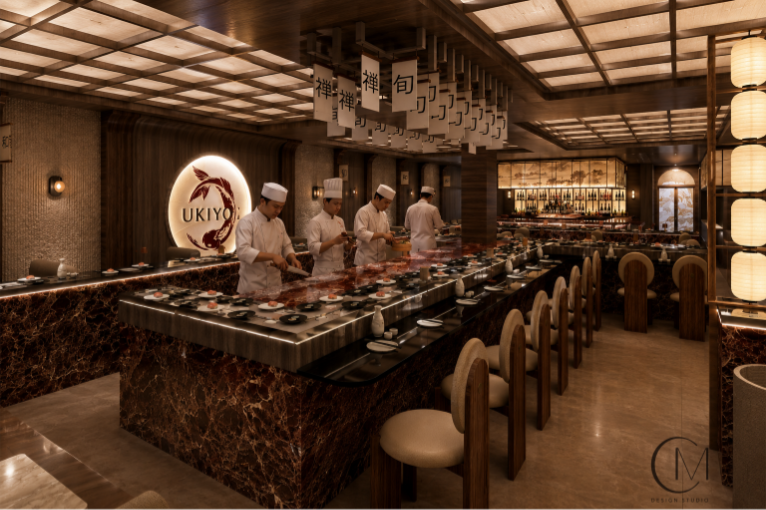
UKIYO’s dramatic bar pairs sculptural stone, handcrafted millwork and softly illuminated Japanese-inspired details. Courtesy of Casa Medina Design Studio/UKIYO.
Sushi at 10. Cocktails at Midnight?
This is still Miami Beach, after all.
UKIYO isn’t positioning itself as somewhere you grab an early sushi dinner and head home.
On Friday and Saturday nights, the restaurant plans to remain open until 2 a.m.
And that gorgeous bar suddenly makes a lot more sense.
The restaurant is being designed as a meeting point between Japanese hospitality and Miami’s international, nightlife-driven personality. Traditional techniques and Japanese ingredients form the foundation, while theatrical presentations, dramatic interiors and late-night hours give the concept a distinctly Miami edge.
It’s easy to imagine coming for sushi and staying considerably longer than planned.
When Does UKIYO Miami Beach Open?
Unfortunately, not tomorrow.
UKIYO is scheduled to open in mid-October 2026 at 818 Lincoln Road in Miami Beach.
Dinner will be served from 6 p.m. to midnight Tuesday through Thursday and Sunday, with Friday and Saturday service continuing until 2 a.m. The restaurant will be closed Mondays.
And yes, SFL Insider will be getting an early look.
We’ll be heading to UKIYO ahead of its official debut to experience the restaurant firsthand, which means we’ll be back with the sushi, the cocktails, the space and, most importantly, a full investigation into this roaming dumpling cart.
For now, UKIYO has officially made our list of Miami restaurant openings we cannot wait to try this fall.
October, hurry up!
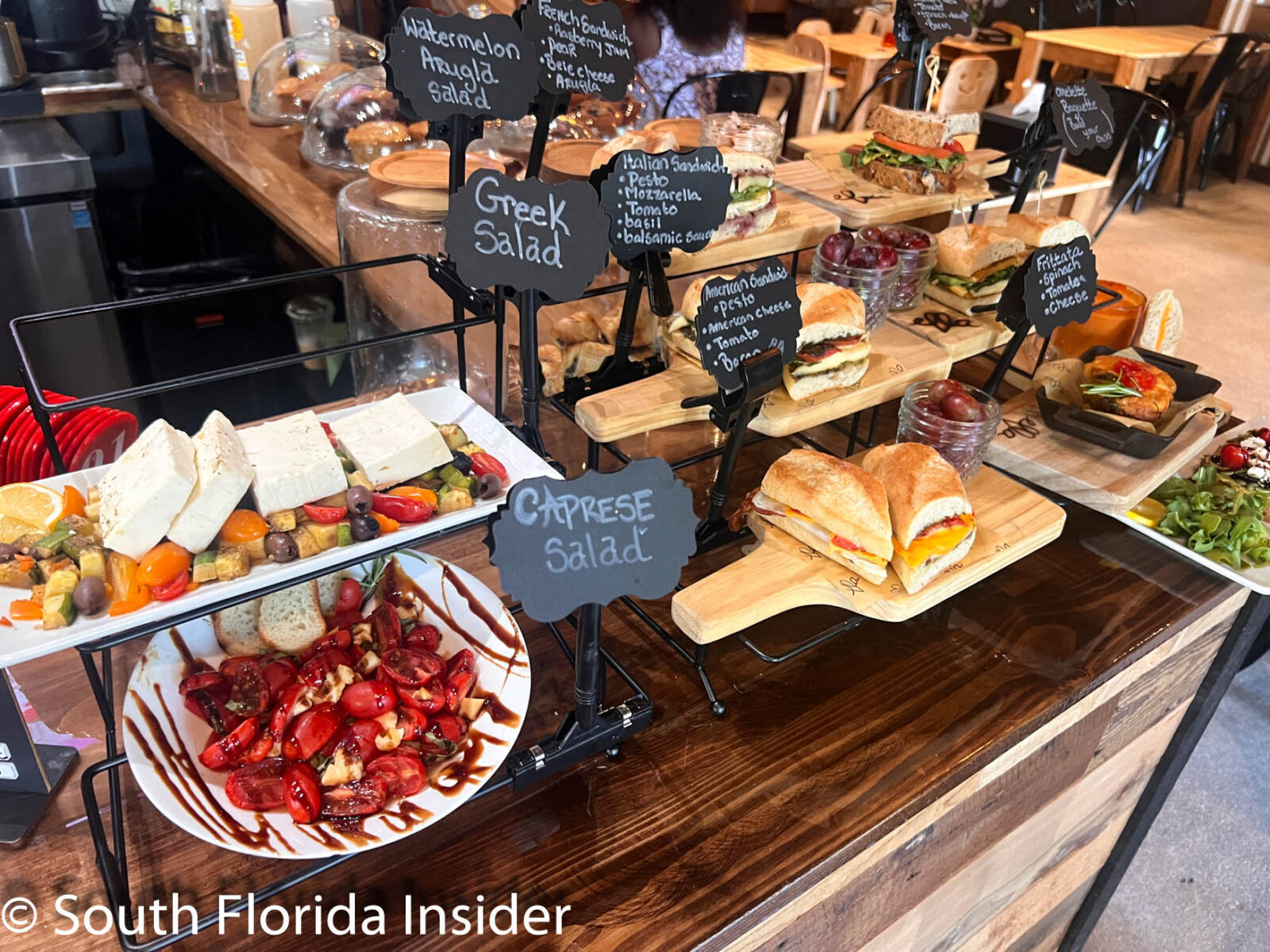
Two longtime customers bring house-roasted coffee, scratch-made food and a genuine neighborhood spirit to Ella’s first franchise location.
(more…)

From Floating Sunset Bonfires and Calm Florida Bay Waters to Memorable Dining and Genuine Hospitality, Playa Largo Captures Everything Travelers Love About the Florida Keys.
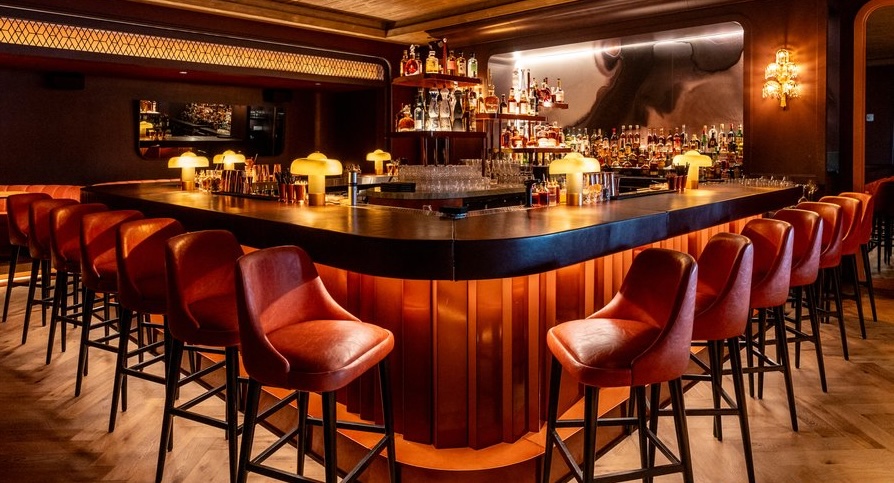
Some restaurants are where you go for dinner. Maple & Ash is where you go when you want to celebrate absolutely anything.
July 31, 2026
When most people think of Miami Spice, they think about trying somewhere new.
I think about finally booking the restaurants I’ve been saving for a special occasion.
That’s exactly how I felt walking into Maple & Ash for a preview of its 2026 Miami Spice menu. Known for its premium steaks, dramatic presentations, exceptional seafood, and lively atmosphere, Maple & Ash has quickly become one of Miami Worldcenter’s premier dining destinations. After spending the evening there, I can confidently say this is one reservation worth making early.
From the moment I walked through the doors, the energy was unmistakable. Music filled the dining room, beautifully crafted cocktails made their way through the restaurant, and every table seemed to be celebrating something. Maple & Ash manages to feel sophisticated without ever feeling stuffy. It’s glamorous, energetic, and unapologetically indulgent, exactly what you hope for from a modern steakhouse.
An Opening Course Worth Celebrating
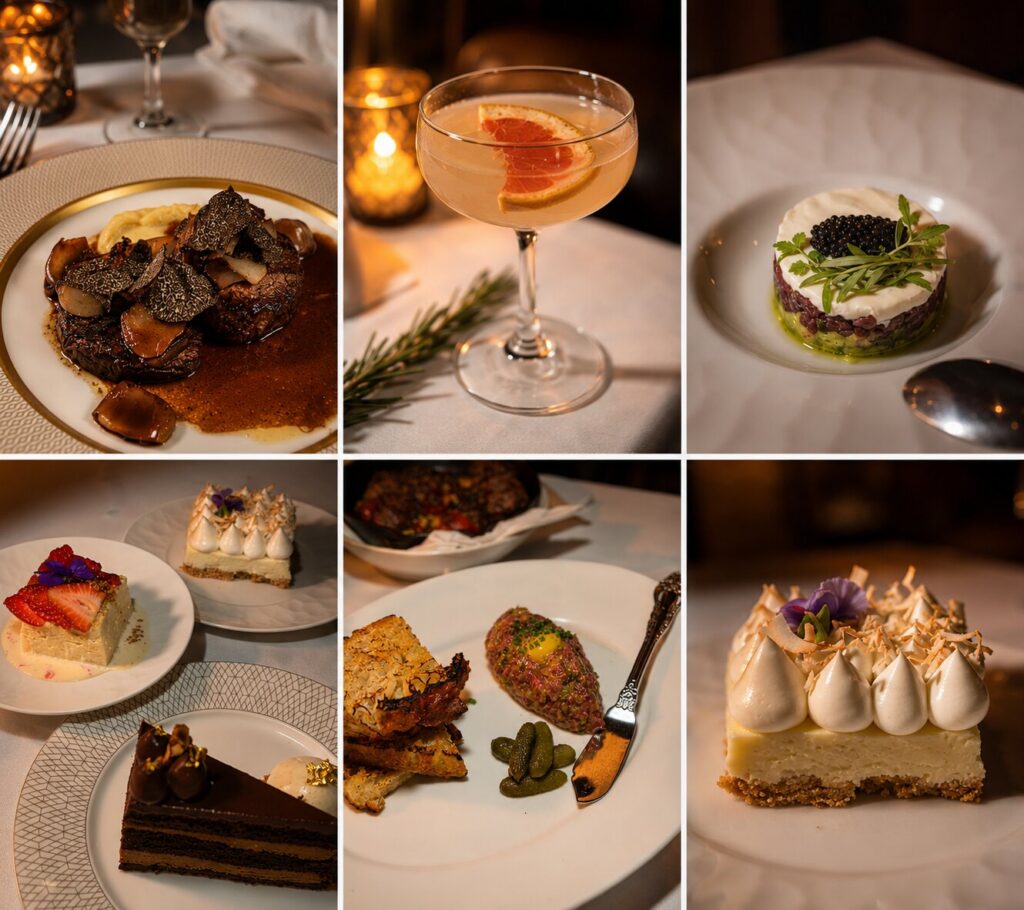
The evening began with Maple & Ash’s optional Fire Roasted Seafood Tower, and if first impressions matter, this one makes quite an entrance.
Loaded with king crab, oysters, prawns, and clams finished with garlic butter and chili oil, it immediately transformed dinner into an event. It’s designed for sharing, making it the perfect way to start the evening if you’re celebrating with friends or family.
Choosing a starter wasn’t easy.
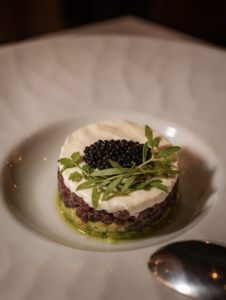
The Bluefin Tuna Tartare immediately caught my attention, pairing fresh tuna with watermelon, white soy, and crème fraîche. Every bite was bright, delicate, and incredibly refreshing.
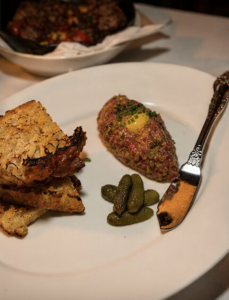
The Lobster Bisque was equally memorable. Rich, silky, and finished with a buttery brioche crouton, it struck that perfect balance between comforting and elegant. Meanwhile, the Tableside Sesame Caesar Salad and the restaurant’s famous Dry Aged Meatballs looked just as tempting as they passed by our table.
Steak, Seafood, and Pasta That Steal the Show
If the appetizers make choosing difficult, the entrées make it nearly impossible.
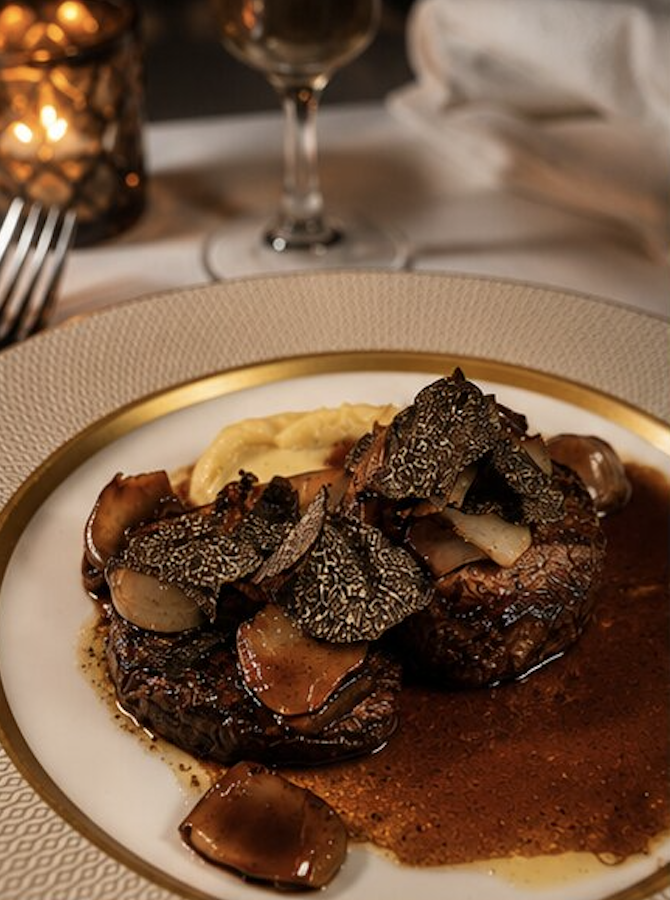
Steak lovers can choose between an 8 ounce Filet Mignon or a beautifully marbled 12 ounce New York Strip, both served with black truffle pomme purée. Seafood fans will appreciate the Mediterranean Branzino, prepared with preserved lemon, Castelvetrano olives, capers, and smoked tomato for a light yet flavorful entrée.
One of my personal favorites, however, was the Lobster Mafaldine.
Featuring generous pieces of Maine lobster tossed with saffron, basil, and Aleppo pepper, the pasta was rich without feeling heavy and showcased exactly why Maple & Ash has earned such a devoted following.
For guests looking to indulge even further, there’s also the option to upgrade to an A5 Miyazaki Wagyu Ribeye, one of the most luxurious cuts of beef available.
Save Room for Dessert
Just when I thought I couldn’t possibly eat another bite, dessert arrived.
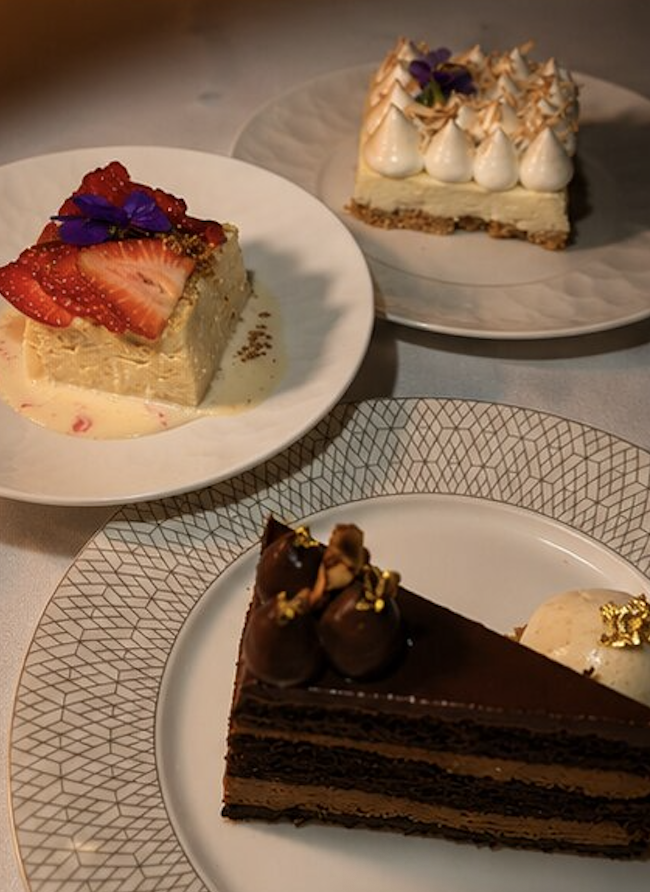
The rich Chocolate Cake, refreshing Strawberry Tres Leches, and creamy Coconut Cream Pie all make a convincing argument for ignoring the fact that you’re already full.
If you’re dining with a group, though, the real showstopper is the optional Sundae Tower. Served with chocolate, vanilla, and strawberry ice creams alongside an assortment of toppings, it’s a playful ending that perfectly matches Maple & Ash’s celebratory atmosphere.
More Than Dinner at Miami Worldcenter
One of my favorite parts of the evening wasn’t just dinner. It was the location.
Situated in the heart of Miami Worldcenter, Maple & Ash is surrounded by one of downtown Miami’s fastest growing entertainment districts. Beautiful pedestrian streets connect restaurants, bars, cafés, shopping, and public gathering spaces, creating an atmosphere that encourages you to make an entire evening of your visit.
Whether you’re heading to a Miami Heat game or concert at nearby Kaseya Center, meeting friends for cocktails, or simply exploring one of Miami’s newest neighborhoods, Maple & Ash is perfectly positioned to be the centerpiece of your night.
With convenient parking, a walkable layout, and an ever expanding collection of dining destinations, Miami Worldcenter has quickly become one of my favorite places to spend an evening in downtown Miami.
Why Maple & Ash Should Be on Your Miami Spice List
One of the things I love most about Miami Spice is that it gives diners the opportunity to experience some of Miami’s best restaurants at an incredible value.
Maple & Ash delivers exactly that.
Between premium steaks, fresh seafood, luxurious pastas, exceptional service, and an atmosphere that’s equal parts elegant and energetic, it offers one of the most memorable dining experiences I’ve had this season. It’s the kind of restaurant where every course feels like an occasion, and where you’ll probably find yourself planning your next visit before you’ve even finished dessert.
If you’ve been looking for an excuse to experience one of Miami’s most talked about steakhouses, consider this your sign.
Plan Your Visit
Whether you’re celebrating a special occasion or simply treating yourself to an unforgettable dinner, Maple & Ash is one of the standout Miami Spice experiences this season. From premium steaks and fresh seafood to decadent desserts and an atmosphere that’s as lively as the cuisine, it’s the kind of restaurant you’ll want to return to long after Miami Spice ends.
Located in the heart of Miami Worldcenter, Maple & Ash is just steps from Kaseya Center, making it an excellent choice before a concert, Miami Heat game, or an evening exploring downtown’s newest dining and entertainment district.
To view the complete Miami Spice menu, make a reservation, or learn more, visit https://www.mapleandash.com/miami.
Follow @mapleandash_miami on Instagram for signature dishes, seasonal specials, and a behind the scenes look at one of Miami’s most talked about steakhouses: https://www.instagram.com/mapleandash/

Liquid Gold, Greedy Angels and the Rum Putting India in a Bottle

Palace Miami Beach Is Going All Out for LGBTQ+ History Month

Wu-Tang Forever: Legends Erupt in West Palm


-
 Restaurants4 weeks ago
UKIYO Miami Beach Brings Luxury Conveyor Belt Sushi to Lincoln Road
-
Restaurants4 weeks ago
Truluck’s Balances Seafood, Service and Spectacle.
-
Restaurants4 weeks ago
Applebee’s Goes Big, Bold and Cheesy
-
Restaurants4 weeks ago
Palace Miami Beach Fall Harvest Menu Brings Pumpkin Season to South Beach
-
Music3 weeks ago
Malcolm Todd Sees Red
-
Music4 weeks ago
Surfer Girl Breaks Curfew and Dives Into Midnight
-
Restaurants3 weeks ago
Golden Crunch, Serious Tenderness at Huey Magoo’s
-
Press Releases3 weeks ago
Free Downtown Delray Beach Craft Festival Returns September 26-27