Music
The Movement Never Travels Alone
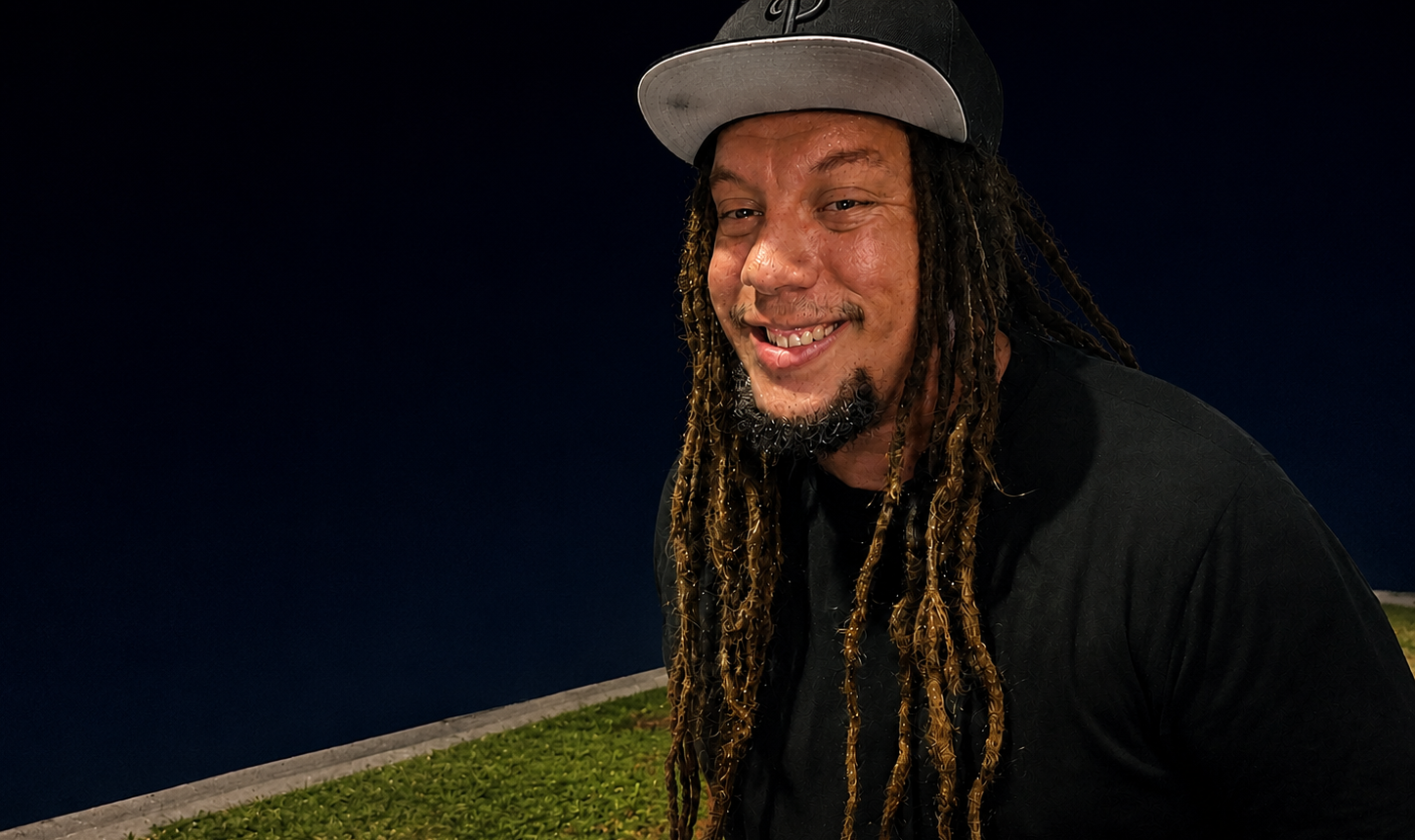
Gary Dread turns a rain-dodging night at Abacoa into a candid conversation about reggae brotherhood, creative growth, Golden’s 10th anniversary and the sacred lesson inherited from his father.
August 29th, 2026
Gary Dread had barely finished explaining that reggae operates like one enormous family when the family began walking straight through the interview.
One friend arrived for a hug. Another musician received a “much love, brother.” Someone else was told to get home safe. Dread promised to catch a longtime friend’s performance around the corner, even after spending the night pouring himself into the drums for The Movement.
The interruptions did not derail the conversation. They completed it.
That was the scene late Saturday at Abacoa Amphitheater in Jupiter, where The Movement, Pepper and Surfer Girl turned a weather-threatened stop on the High Tide Summer Tour into a humid, full-body release. The rain began retreating during Surfer Girl’s set. The South Florida humidity stubbornly stayed through the final notes. In between, The Movement kept pushing the energy higher until the crowd felt less like an audience and more like an additional member of the band.
For Dread, that closeness is neither a tour gimmick nor a lucky product of the right lineup. It is the culture he has lived in for nearly 20 years.
“Everyone from SOJA, Iration, The Green, Pepper, Stick Figure, Slightly Stoopid, Dirty Heads, Fortunate Youth, I could keep going on and on,” he said. “All of these men are genuinely friends and family.”
They have toured together, collaborated, shared living space and watched one another grow. The scene can feel like a permanent Thanksgiving dinner with amplifiers, but Dread’s explanation reached beyond backstage friendships.
Reggae first entered his life through Rastafari. He heard in it a form of gospel, music that could carry the weight of struggle while still pointing toward equal rights, justice, love and shared humanity. It made togetherness feel less like a slogan than an obligation.
“It’s a oneness music,” he said.
The principle is sincere, but Dread has no interest in treating it solemnly at all times. The tour’s name practically invited a ridiculous High Tide hypothetical: Who would rescue everyone if all three bands were stranded with one paddleboard? Dread quickly put resourceful keyboardist Matt Goodwin and Pepper’s Kaleo Wassman on rescue duty. He and Pepper drummer Yesod Williams could provide the muscle and start paddling.
Even in an imaginary emergency, Dread built a team.
When the Guest Spot Becomes the Message
Back in the real world, that team-first instinct was already all over the Abacoa stage. Members of Pepper helped turn “Take Me to the Ocean” into a shared anthem, one of those live moments when the borders between one band’s set and another band’s identity dissolve.
Dread said those appearances can be arranged well in advance or invented after a few days on the road. Someone hears a place where a melody or verse might fit, offers an idea and receives the simplest possible invitation: Come up.
“When people see, all ego aside, just people coming together, I think that’s stronger than anything,” he said.
The collaboration is musical, but the image carries its own message. Fans do not merely hear artists talk about unity. They see them surrender the spotlight, share the song and celebrate what somebody else brings to it.
The crowd completed a similar exchange during “Visions.” Stick Figure, featured on the studio track, was not physically onstage in Jupiter. The audience filled the open space anyway, carrying the missing part loudly enough that the collaboration still felt present.
That is the point when a song stops belonging exclusively to the musicians who recorded it.
“The moment we put it out, it’s yours to enjoy,” Dread said. “No matter how many times you want to hear it.”
The band may have played and heard its own material thousands of times, but the crowd encounters each song through a different memory, mood or season of life. Ownership transfers with every chorus.
Dread does not measure that exchange in plaques or standings.
“You don’t get trophies or anything like sports,” he said. “The reward is seeing people happy.”
Leaving Room for the Song to Breathe
That willingness to hand a song over to the crowd begins long before it reaches the stage. The Movement’s writing process follows the same open-door philosophy as its live show. One member may arrive with an acoustic skeleton, a melody or a page of lyrics, but the song is not protected from the rest of the band. Everyone gets a chance to help it find its final shape.
Dread pointed to “Sounds of Summer,” which began as an acoustic idea from Josh Swain while the band was touring with Slightly Stoopid. The melody caught everyone’s attention, and the group began adding its fingerprints. On 2025’s Visions, Dread brought “So Cool” to the table, a song that ultimately featured 311 frontman Nick Hexum. At other times, Swain arrives with lyrics and the band builds the musical world around them.
“We all collectively write, but we also bring our own stuff to the table and then all help each other with it,” Dread said.
The band writes for itself first. That does not mean ignoring the audience. It means trusting that honest work may need time to find the right ears.
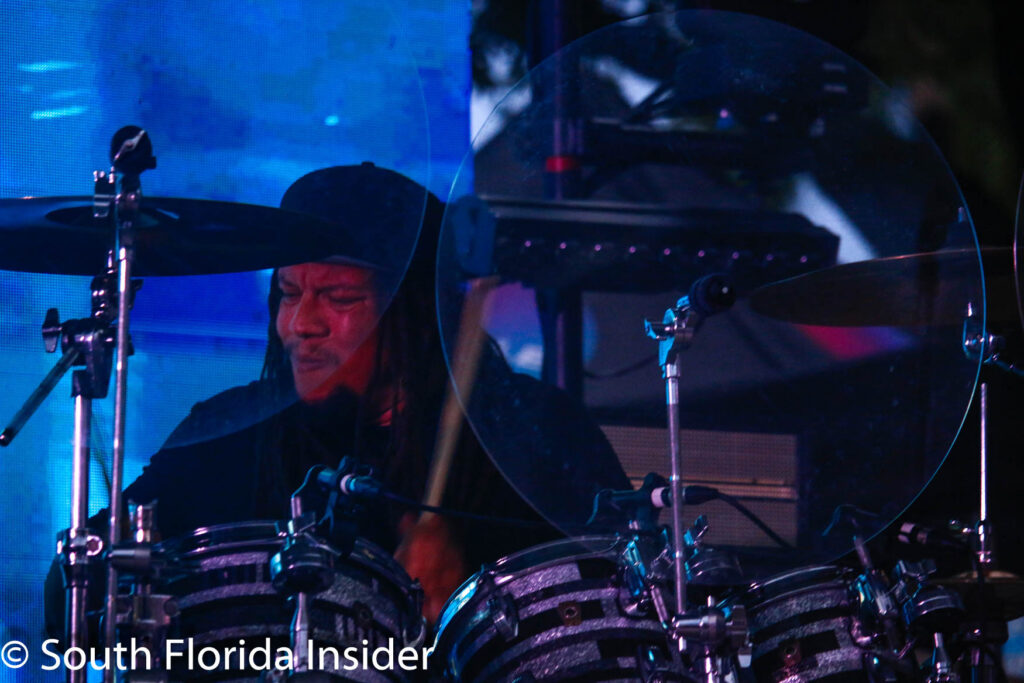
The Movement performs at Abacoa Town Center Amphitheatre ©South Florida Insider
Dread’s proof came from an unexpected place: olives. He disliked them growing up. Now he loves them. Musical tastes can change the same way, with sounds that once seemed strange eventually becoming essential.
“As long as it’s from the heart and honest,” he said, the band can follow the idea wherever it leads, even if it pulls The Movement toward a different sound.
Age has also taught the members what not to play. A younger musician may want to flex every available skill in every open measure. Maturity, Dread said, is understanding when to make space for the lyric and let the arrangement breathe. He pointed to Ringo Starr as an example of how apparent simplicity can be exactly what a song needs.
That restraint is especially important when Swain has something meaningful to say. The goal is not to bury the message beneath musicianship. It is to build the clearest road toward it.
Of course, restraint only goes so far when “Elephant” begins shaking a crowd. Its call-and-response reminded Dread of a soccer match, which tracks with the scene on The Movement’s bus. Josh and Matt are serious fans, and during major tournaments, matches can run from the moment the band wakes until showtime.
Dread has watched Swain stay locked on a game until someone reminds him he is due onstage in five minutes.
Messi or Ronaldo? Dread chose both. On this bus, even soccer’s loudest argument ends in camaraderie.
Looking Back Without Standing Still
The soccer banter stays light, but the refusal to stand still runs much deeper. The Movement is revisiting one of its defining records without treating the past like a place to live. Ten years after the release of Golden, the band opened its archive for a 10th-anniversary vinyl edition, pairing the original album with rare demos, alternate takes and studio outtakes.
Those unfinished pieces offer more than nostalgia. They expose the decisions, experiments and discarded turns that shaped the finished record. For Dread, every album functions as a marker on a much longer timeline.
“We’re always challenging ourselves,” he said. “The only thing we’re in competition with is ourselves. What did we do, and what can we do to top it? We don’t want to do the same thing over and over again.”
That does not require every record to become busier or more aggressive. Growth can sound like subtraction. It can mean leaving enough space for a thought to land. The songs preserve what the band was feeling at the time, but they also document how its members learned to listen to one another.
That collective standard governs the serious retrospection and the sillier decisions alike. The swimming pigs that wandered into the “Sounds of Summer” visuals began with footage from a trip to the Bahamas. What first surfaced as a joke survived the band’s approval process, then became an obvious keeper once the pig appeared in the artwork.
With roughly six people weighing in, Dread said an idea only survives if everybody gives it a yes. The same rule applies to writing. A part can consume a week of work and still disappear if the group decides the song is stronger without it.
That careful eye toward what survives is not limited to studio work. The Movement is also curating its live history, releasing performances from its April 2025 headlining show at Red Rocks one song at a time on its official YouTube channel. Global Extreme captured the concert, including live versions of “So Cool” and “Redwoodz,” with the scale of the venue intact and the intimacy of the band still visible.
Dread admitted that Red Rocks gets him every time.
“I cry after every time we play,” he said, before reaching for the classic escape hatch. “I tell you I’m sweating.”
The First Music Came From Home
Behind the tears, discipline and belief is the person who first taught Dread how much music should matter. Long before festival stages and Red Rocks, his deepest influence was his father, a jazz musician who “ascended” two years ago.
His father was older when Dread was born, which meant the lessons arrived with a lifetime of perspective already attached. He taught his son that music was sacred work, worthy of seriousness, patience and daily attention.
“The more time you put into it, it’s like a garden,” Dread said. “You plant your seed, you water it and it grows.”
That foundation made room for an enormous range of sounds. Growing up in Philadelphia, Dread absorbed The Roots and A Tribe Called Quest, along with New York hip-hop, the force of Rage Against the Machine and Metallica, the punk attack of Bad Brains, and the soul of Al Green and Motown.
Reggae, however, gave him something especially necessary. Bob Marley, Burning Spear, Toots and the Maytals, and other Rasta elders paired their music with reassurance. In a rough neighborhood, those songs did not pretend struggle was imaginary. They made survival feel possible.
“You would leave a show where someone’s like, ‘It’s going to be OK,’ and you believe them,” Dread said.
Nearly two decades of touring later, that remains the work. The Movement can shake the ground, crack jokes, invite friends into a chorus and send thousands of people home lighter than they arrived. The sound has evolved, the stages have grown and the archive now stretches far enough to warrant anniversary editions, but the purpose remains remarkably steady.
When the interview ended, Dread still was not finished showing up for people. A friend he had known for 20 years was performing nearby, and he wanted to walk over and support him.
Of course he did.
That is The Movement’s version of momentum: one song becomes everyone’s, one stage makes room for another band, and one exhausted drummer still heads around the corner to cheer for a friend.





Joining the Dirty Heads and 311, Atmosphere and Rome helped turn the final So Glad You Made It Tour stop into a humid, psychedelic marathon of anthems, drumsticks and singalongs.
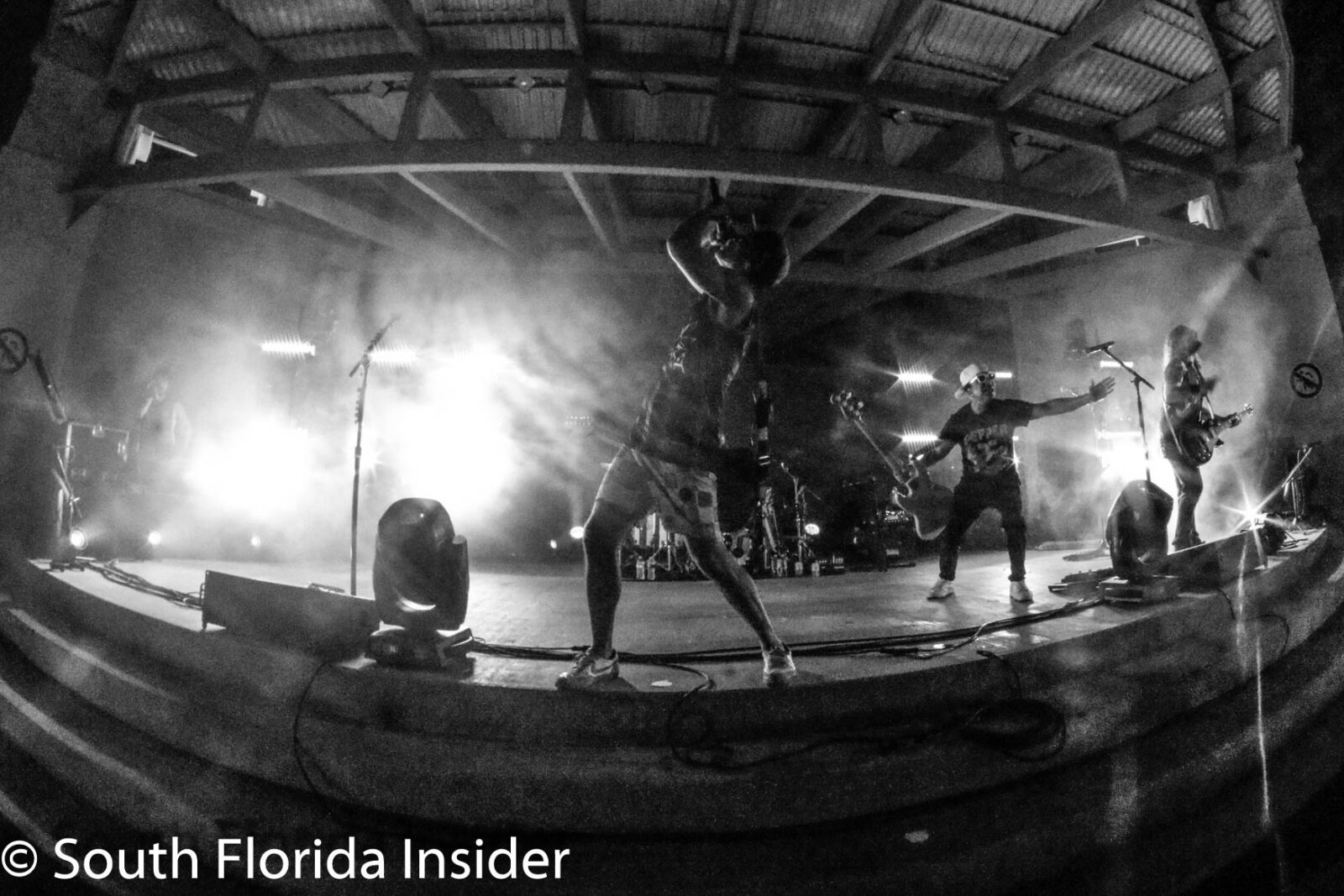
Surfer Girl Starts the Wave, The Movement Builds It and Pepper Sends Abacoa Overboard.
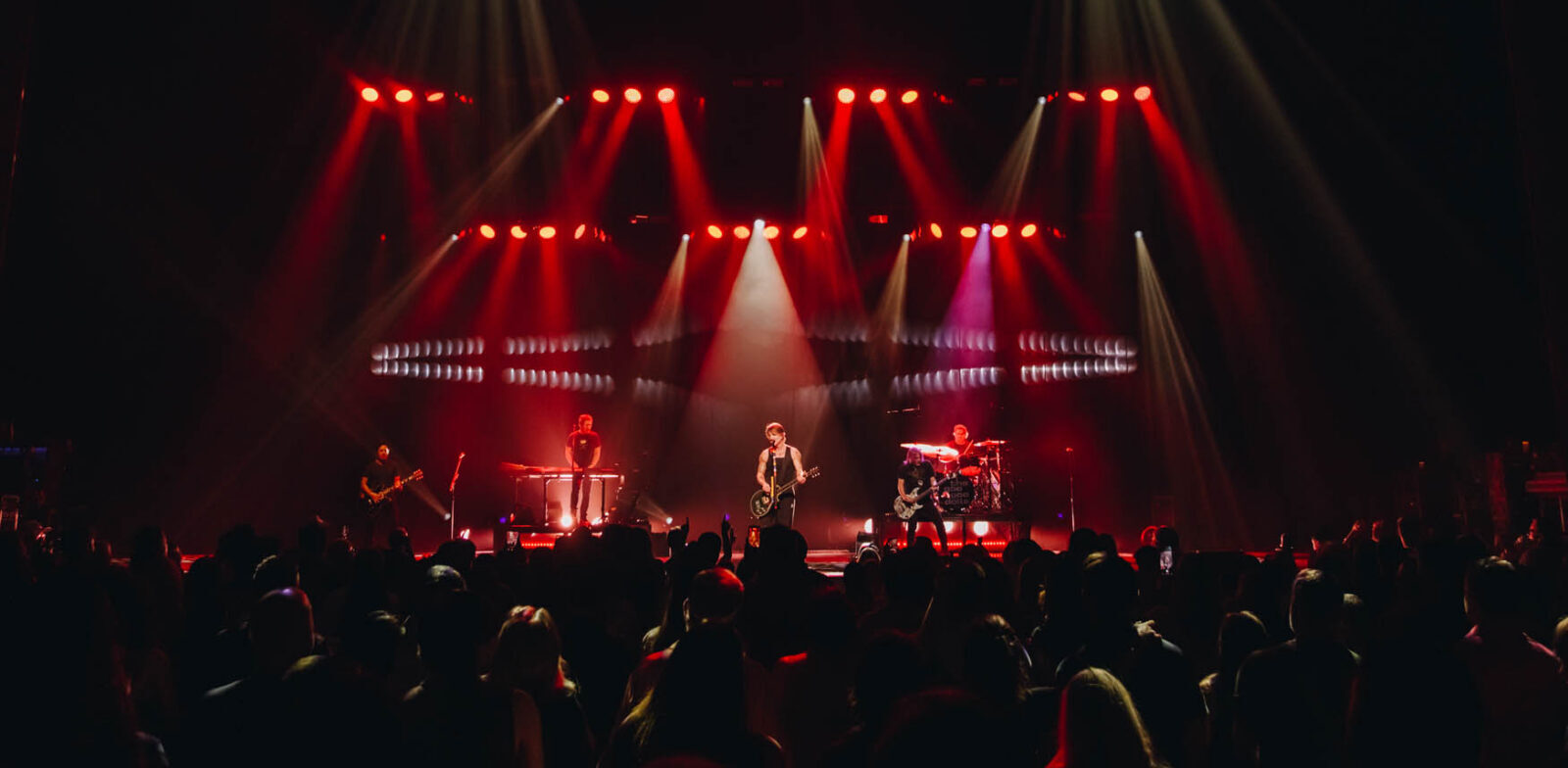
The Goo Goo Dolls turned Hard Rock Live into a story-filled millennial mixtape after Neon Trees got everybody talking and the entire room moving.
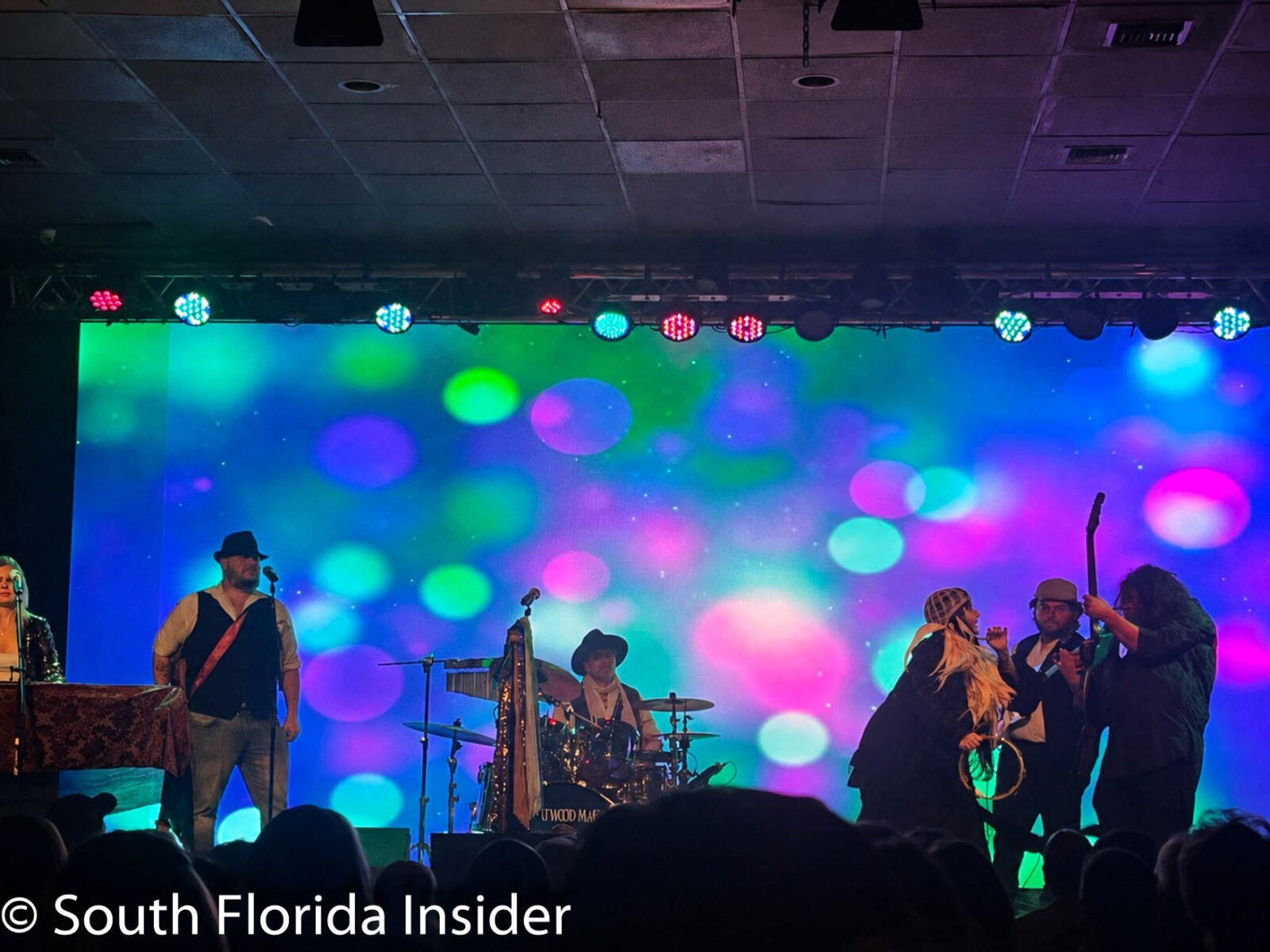
The Fort Lauderdale tribute keeps “The Chain” intact with hometown spirit, tangled history and enough personality to make loving fun.
(more…)
Music
Rain Can’t Drown the Freaks: Rob Zombie and Marilyn Manson Kick Off “Freaks on Parade 2026” in West Palm Beach

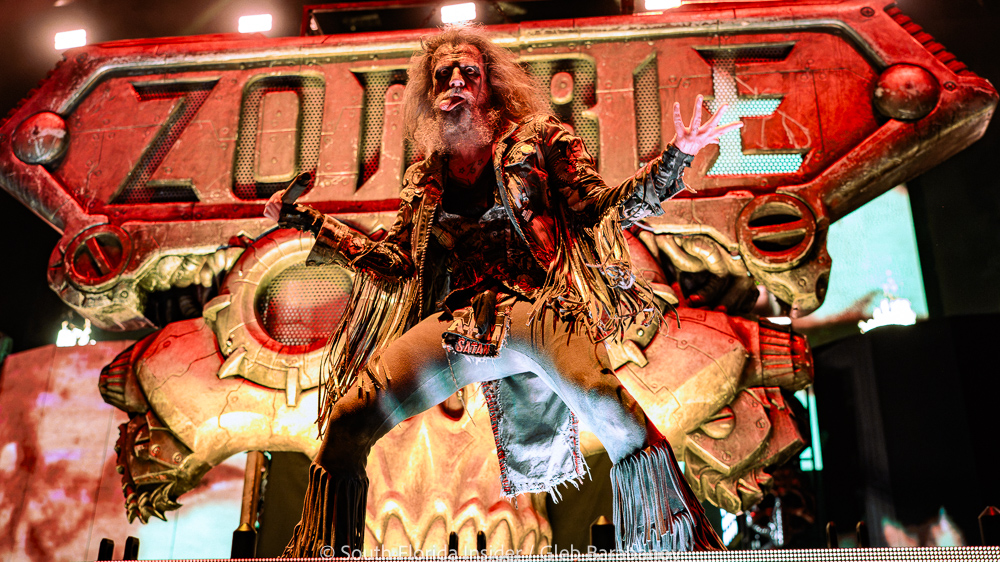
Freaks on Parade March Through South Florida with Rain, Riffs, and a Curfew-Busting Finale – Photos and Review of the Rob Zombie and Marilyn Manson Concert at the iThink Financial Amphitheater in West Palm Beach, FL

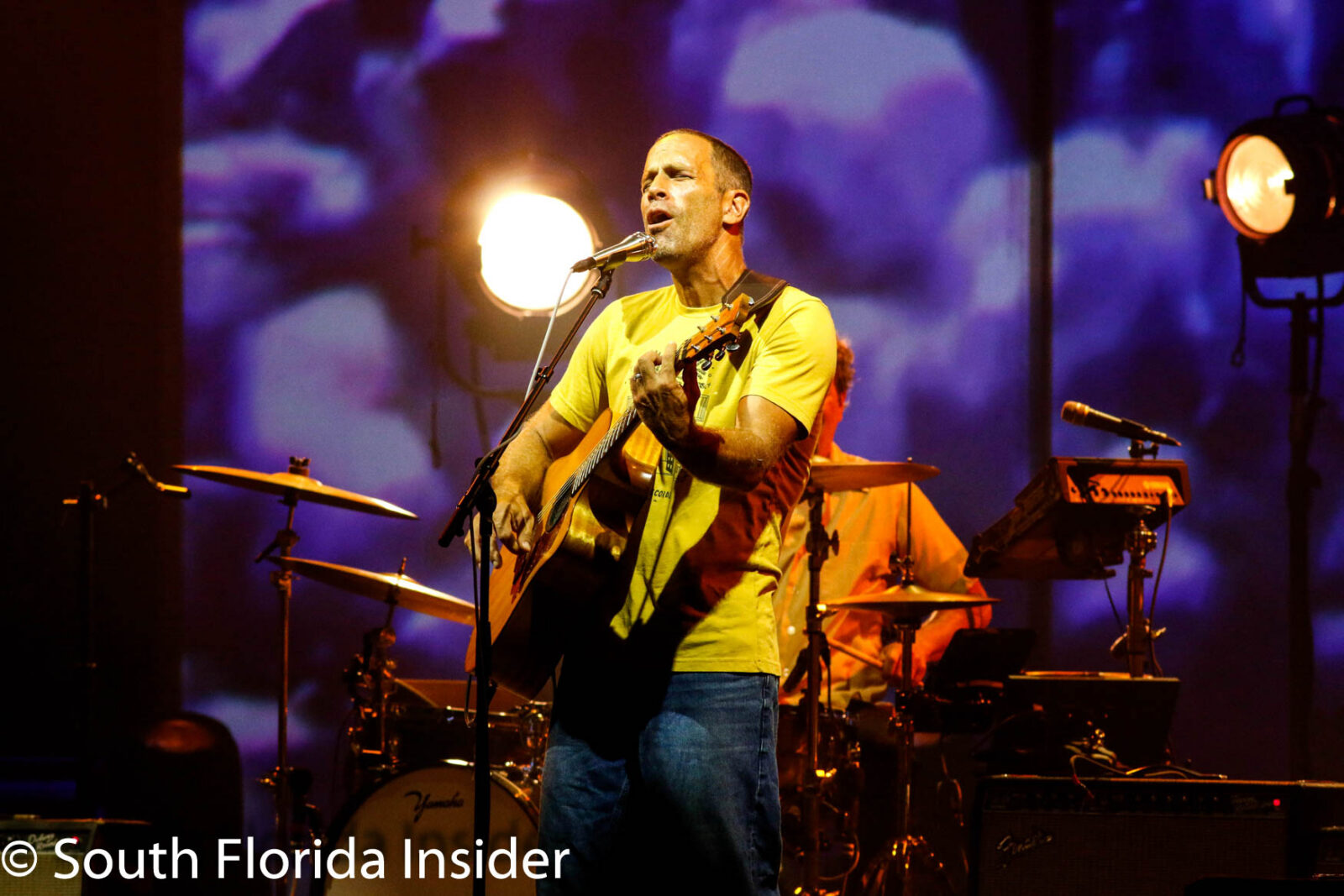
Lake Street Dive brings the soul before Jack Johnson blends singalongs, surf films and free flowing grooves on opening night of new tour. (more…)
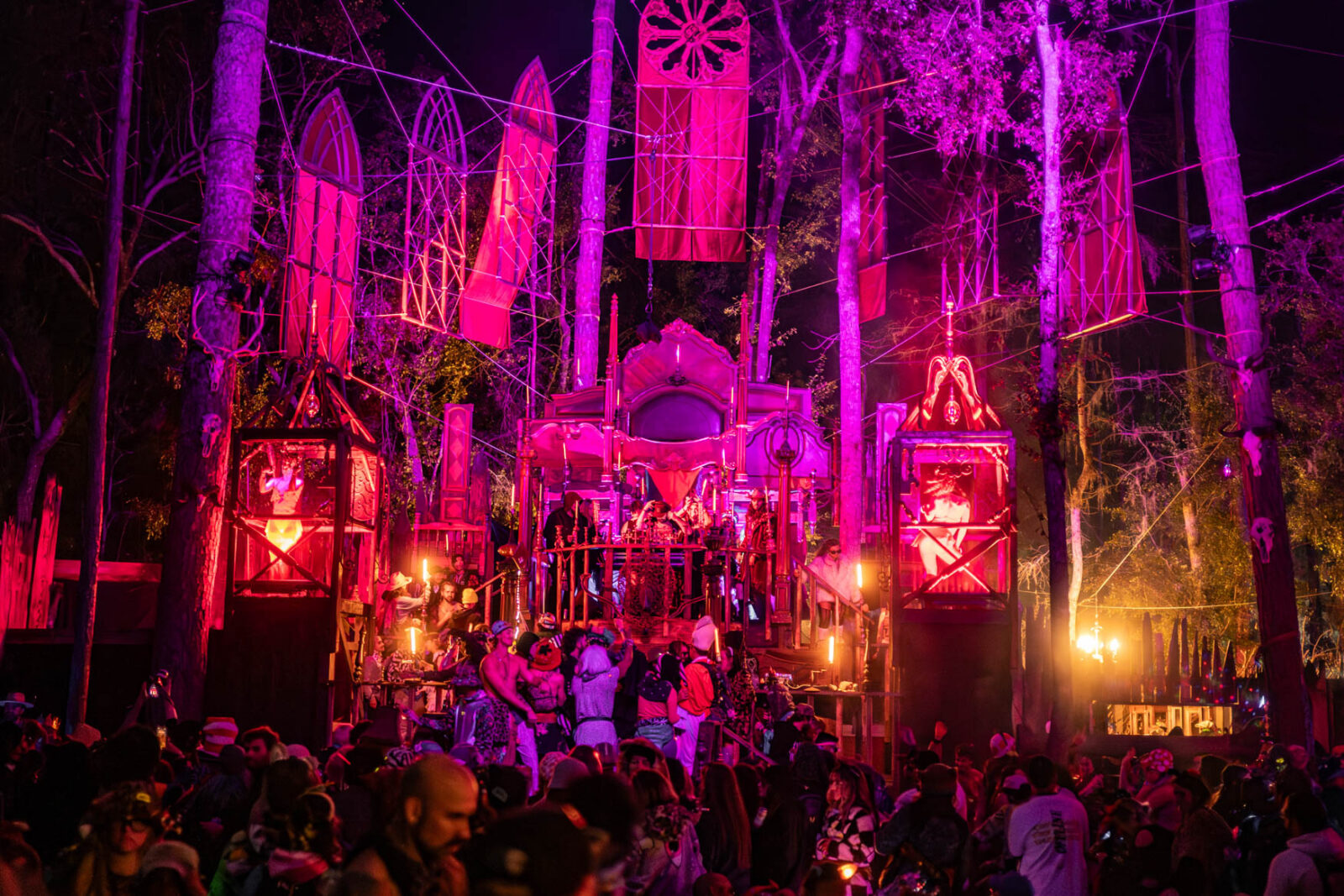
Beyond the Music, Founder Michael Berg Reveals How Hulaween Built a World Where the Unexpected Becomes the Main Attraction. (more…)


Melanie Martinez Transforms KIA Center Into a Twisted Wonderland. (more…)

Dirty Heads and 311 Keep Summer Loud

The Movement Never Travels Alone

High Tide Hits Abacoa with No Brakes


-
 Press Releases3 weeks ago
West Palm Beach Beer Fest Returns
-
Travel3 weeks ago
Viva Azteca Blends Adventure, Relaxation and Authentic Mexican Hospitality
-
Music3 weeks ago
Inside Hulaween’s Wild and Wonderful World
-
Music1 week ago
Rain Can’t Drown the Freaks: Rob Zombie and Marilyn Manson Kick Off “Freaks on Parade 2026” in West Palm Beach
-
Events3 weeks ago
Eight Seconds, Five Riders and One Wild PBR Party
-
Press Releases3 weeks ago
Natalie’s Juices and The Salty Donut Announce Limited-Edition Collaboration
-
Music4 weeks ago
Melanie Martinez Descends Into Orlando’s HADES
-
Entertainment1 week ago
The Hobby Card Show Turns Fort Lauderdale into a Collector’s Playground